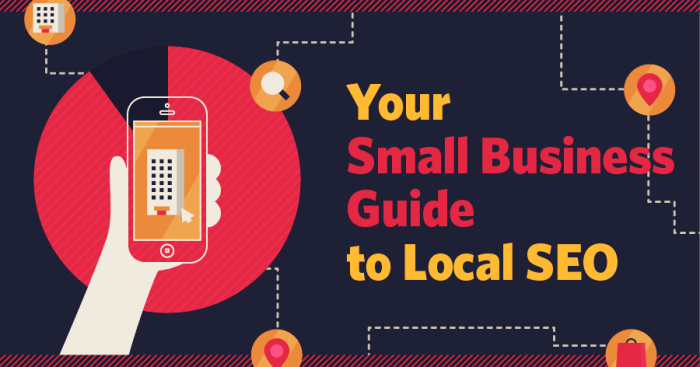
Best strategies for small businesses are essential in today’s digital landscape where competition is fierce. Small businesses often face unique challenges, and implementing effective techniques can significantly enhance online visibility and drive organic traffic.
In this guide, we will explore various aspects of tailored specifically for small businesses, from optimizing your website and creating quality content to leveraging local and social media. Understanding these strategies not only helps in attracting potential customers but also in building a sustainable online presence.
Best Strategies for Small Businesses
In the digital age, small businesses thrive on their online presence, which makes Search Engine Optimization () a critical element of success. With proper strategies in place, small businesses can enhance their visibility, attract organic traffic, and gain a competitive edge in their local markets. This discussion delves into effective on-page optimization techniques, the significance of quality content, and the role of local in bolstering a small business’s online footprint.
Effective On-Page Optimization Techniques
On-page optimization is crucial for small businesses aiming to improve their search engine rankings and enhance user experience. By focusing on factors that are within the control of the website owner, businesses can make significant strides in their online marketing efforts. Here are some key techniques to implement:
- Title Tags and Meta Descriptions: Crafting unique and descriptive title tags and meta descriptions for each page not only helps search engines understand the content but also entices users to click through to the site.
- Header Tags: Utilizing header tags (H1, H2, H3) properly helps structure the content and makes it easier for both search engines and visitors to navigate the page.
- URL Structure: Creating clean, descriptive URLs that include relevant s can improve the site’s and make it more user-friendly.
- Image Optimization: Properly naming image files and using alt text enhances and accessibility, improving loading speeds and user engagement.
- Internal Linking: Linking to related content within the website helps distribute page authority and keeps users engaged longer, ultimately reducing bounce rates.
Importance of Quality Content in Attracting Organic Traffic
Quality content is the backbone of successful strategies. It serves as a magnet for organic traffic, drawing visitors who are looking for valuable information or solutions. High-quality content not only increases engagement but also improves credibility and authority in the eyes of both users and search engines. Consider the following aspects regarding content quality:
- Relevance: Content must align with the needs and interests of the target audience to effectively attract and retain visitors.
- Originality: Unique content that provides fresh insights or perspectives stands out in search results and encourages shares and backlinks.
- Comprehensiveness: Detailed, well-researched articles that cover a topic thoroughly tend to rank higher and satisfy user queries.
- Engagement: Using storytelling, visuals, and interactive elements can enhance the user experience, boosting time on site and reducing bounce rates.
“Content is king.”
Bill Gates
Role of Local in Enhancing Visibility for Small Businesses
Local is essential for small businesses that rely on local customers. It focuses on optimizing a business’s online presence to attract more business from relevant local searches. Implementing local practices effectively can lead to higher visibility in search results, driving targeted traffic to the business. Here are the main components of effective local :
- Google My Business: Setting up and optimizing a Google My Business profile is fundamental for local search visibility. This includes updating contact information, operating hours, and encouraging customer reviews.
- Local s: Incorporating local s into website content helps search engines connect the business with relevant local queries.
- Citations: Ensuring consistent business information across various online directories enhances credibility and aids in local rankings.
- Local Backlinks: Building relationships with local organizations and getting featured on local news sites can enhance authority and visibility.
- Customer Reviews: Encouraging satisfied customers to leave positive reviews not only enhances reputation but also improves local rankings.
Search Engine Marketing
Search Engine Marketing (SEM) plays a crucial role in helping small businesses amplify their online presence. By leveraging pay-per-click (PPC) advertising, small businesses can directly compete with larger companies while ensuring their products or services reach a targeted audience. This strategy not only boosts visibility but also drives immediate traffic to their websites, making it an essential tool in today’s digital landscape.
Significance of Pay-Per-Click Advertising
Pay-per-click advertising offers an effective way for small businesses to gain exposure without the risk of overspending. Unlike traditional advertising methods, PPC allows businesses to pay only when a user clicks on their ad. This model is particularly beneficial for small businesses that often operate on tight budgets. The importance of PPC advertising is highlighted by its ability to generate immediate results.
For example, a local bakery running a PPC campaign can attract new customers within hours of launching the ad. Furthermore, PPC provides valuable insights through analytics, enabling businesses to tailor their marketing strategies based on real-time performance data.
Creating Effective Ad Campaigns Targeting Local Customers
To ensure that ad campaigns resonate with local customers, small businesses need to focus on region-specific s and demographics. Utilizing geo-targeting features in platforms like Google Ads can help serve ads only to users in a specific location, enhancing the likelihood of conversion. In crafting these campaigns, consider the following elements:
- Selection: Choose s that reflect local intent, such as “best pizza in [city name]” to attract customers actively searching for services nearby.
- Ad Copy: Create engaging and compelling ad copy that emphasizes local offers or events, making it relevant to the community.
- Ad Extensions: Use location extensions to display the business address and call extensions to encourage direct contact.
Incorporating these strategies will help small businesses effectively reach their local audience while maximizing their ad relevance and engagement.
Strategies for Optimizing Ad Budgets and Maximizing ROI
Managing the budget for PPC campaigns effectively is crucial for small businesses aiming to maximize their return on investment (ROI). Here are several strategies to consider:
Set Clear Goals
Establish specific objectives such as increasing website traffic, generating leads, or driving sales. This clarity will guide the overall campaign strategy.
Monitor Performance
Regularly analyze the performance of ad campaigns to identify which ads are delivering the best results. Focus on optimizing these ads rather than spreading the budget too thin across multiple campaigns.
A/B Testing
Experiment with different ad copies, visuals, and targeting options. A/B testing can reveal which variations perform better, allowing for data-driven decisions that enhance campaign effectiveness.
Bid Adjustment
Utilize bid adjustments to increase or decrease bids based on device, location, or time of day. This tactic helps allocate budget where it is most effective.By implementing these strategies, small businesses can ensure they are not only maximizing their advertising budgets but also achieving significant growth and visibility in a competitive marketplace.
Social Media and Networking
Social media is an invaluable tool for small businesses looking to enhance their online presence and engage with customers. Utilizing the right platforms can significantly boost visibility and foster community around your brand, making it essential for growth and customer loyalty. By focusing on social media marketing strategies tailored for small businesses, you can effectively reach your target audience and build lasting relationships.
Best Platforms for Small Business Promotion
Selecting the appropriate social media platforms is crucial for effective promotion and customer engagement. The ideal platforms depend on your target market and the nature of your business. Here are some of the best options:
- Facebook: With billions of active users, Facebook allows small businesses to connect with a diverse audience through posts, ads, and community groups. It’s particularly effective for engaging local customers.
- Instagram: A visual platform perfect for businesses in fashion, food, and lifestyle. Instagram Stories and Reels offer creative ways to showcase products and engage with followers.
- LinkedIn: Ideal for B2B companies, LinkedIn enables you to network with other businesses, share industry insights, and establish authority in your field.
- Twitter: Great for real-time engagement and updates. Twitter can be effective for customer service and sharing quick insights or promotions.
- Pinterest: Excellent for businesses with visual content, particularly in DIY, fashion, and home decor. It functions as a visual search engine, helping users discover products and ideas.
Effective Social Media Marketing Strategies
Implementing effective social media marketing strategies is essential for small businesses to stand out in a crowded marketplace. Consider these tactics:
- Create Engaging Content: Focus on high-quality images, videos, and informative posts that resonate with your audience. Use storytelling to connect emotionally.
- Consistency is Key: Establish a consistent posting schedule to keep your audience engaged and informed. Use social media management tools to streamline this process.
- Utilize Hashtags: Hashtags expand your reach and make content discoverable. Research trending hashtags in your niche and include them strategically in your posts.
- Leverage User-Generated Content: Encourage customers to share their experiences and tag your brand. This fosters community and serves as authentic testimonials.
- Engage with Your Audience: Promptly respond to comments and messages. Engaging authentically with your audience builds trust and rapport.
Building a Strong Online Community
Creating a robust online community around your brand cultivates loyalty and encourages customer interaction. Here are strategies to achieve this:
- Utilize Facebook Groups: Create a space where customers can discuss your products, share ideas, and ask questions. This fosters a sense of belonging and loyalty.
- Host Live Events: Consider hosting live Q&A sessions, webinars, or product launches on platforms like Instagram or Facebook to engage directly with your audience.
- Encourage Feedback: Regularly seek feedback from your community on products, services, and social media content. This not only shows you value their opinion but also helps improve your offerings.
- Run Contests and Giveaways: Engaging customers through contests encourages sharing and participation, expanding your reach organically.
- Highlight Community Stories: Sharing customer stories or testimonials on your social media platforms not only showcases your product but also highlights your customers, making them feel valued.
Building a community is not just about gaining followers; it’s about creating relationships and fostering engagement that lasts.
Video Marketing and Streaming
Video marketing has become an essential strategy for small businesses looking to engage their audience and enhance their online visibility. With the advent of digital platforms, creating compelling video content allows businesses to convey their brand’s story, showcase products, and connect with customers on a more personal level. Utilizing video effectively not only amplifies your marketing efforts but can also lead to increased conversions and customer loyalty.
Live streaming serves as an innovative way to engage with your audience in real-time, creating genuine interactions that can foster community and trust. Streaming events, product launches, or Q&A sessions provides immediate feedback and interaction, making customers feel valued and heard. The spontaneous nature of live content can create a sense of urgency and excitement that pre-recorded videos may lack.
Guidelines for Developing Compelling Video Content
Creating video content that resonates with your audience requires a thoughtful approach. Here are some effective guidelines to consider:
- Understand Your Audience: Research your target demographic to tailor your video content to their interests and preferences. Knowing who you’re speaking to can significantly enhance engagement.
- Keep It Concise: Attention spans are short, especially online. Aim for videos that are informative yet brief, ideally between 60 to 120 seconds for maximum retention.
- Focus on Storytelling: People connect with stories. Incorporate narratives that highlight your brand’s values or customer experiences to create a lasting impact.
- High-Quality Production: Invest in good lighting and sound equipment. Even simple videos can look professional with the right setup, improving viewer perception of your brand.
- Call to Action: Always include a clear call to action at the end of your videos to guide viewers on what to do next, whether it’s visiting your website or subscribing to your channel.
Benefits of Live Streaming for Real-Time Customer Engagement
Live streaming offers numerous advantages for businesses looking to enhance their customer engagement strategy.
- Authenticity: Live content feels more genuine and unscripted, which fosters a deeper connection with your audience and builds trust in your brand.
- Real-Time Interaction: Viewers can ask questions and provide feedback instantly, making them feel involved in the conversation and more engaged with your brand.
- Wider Reach: Live streams can be shared across multiple platforms, attracting a diverse audience and enhancing brand visibility.
- Cost-Effective Marketing: Hosting live streams is often less expensive than traditional advertising methods and can yield a higher return on investment.
Tools and Platforms for Hosting and Promoting Video Content
To maximize the effectiveness of your video content, it’s crucial to leverage the right tools and platforms for hosting and promotion.
- YouTube: As the largest video-sharing platform, YouTube allows businesses to reach a vast audience while also providing analytics to track performance.
- Facebook Live: This platform encourages real-time interaction and can be a powerful tool for engaging with your audience through comments and reactions.
- Instagram Stories and Reels: Short, engaging video formats can capture attention quickly, especially among younger demographics.
- Zoom or StreamYard: These platforms are ideal for hosting webinars or live events, offering robust features for interaction and audience participation.
- Vimeo: Known for its high-quality video hosting options, Vimeo is excellent for businesses that prioritize professional-looking content.
Web Design and Development
Creating a user-friendly website is crucial for small businesses aiming to convert visitors into customers. A well-designed site enhances user experience, builds credibility, and ultimately drives sales. In today’s digital age, your website is often the first interaction a potential customer has with your brand, making it essential to invest in quality web design and development.An effective website combines aesthetic appeal with functionality.
Key design elements include intuitive navigation, clear calls-to-action, and engaging content. When visitors can easily find what they need, they are more likely to stay longer and make a purchase. Moreover, a seamless user journey can significantly improve your site’s conversion rate.
User-Friendly Website Creation
To create a user-friendly website that converts visitors, consider the following essential tips:
- Simplified Navigation: Ensure your menu is easy to read and understand. Use clear labels for categories and keep the number of menu items manageable.
- Clear Calls-to-Action: Position prominent CTAs throughout your site, guiding users toward desired actions like signing up for newsletters or making a purchase.
- Engaging Content: Provide valuable content that addresses the needs and pain points of your audience. This could include blog posts, FAQs, or product descriptions that are informative and engaging.
- Consistent Branding: Maintain a cohesive visual style that reflects your brand’s identity. Use consistent colors, fonts, and imagery across all pages.
Importance of Mobile Responsiveness
In modern web design, mobile responsiveness is non-negotiable. With an increasing number of users accessing websites via smartphones and tablets, having a mobile-friendly site is essential for reaching your audience. A responsive design ensures that your website adapts to various screen sizes, providing an optimal viewing experience.Several key benefits highlight the importance of mobile responsiveness:
- Improved User Experience: A mobile-optimized site allows users to navigate easily, which can decrease bounce rates and increase engagement.
- Higher Search Rankings: Search engines, like Google, prioritize mobile-friendly websites, meaning a responsive design can improve your visibility in search results.
- Increased Conversion Rates: A seamless mobile experience encourages users to complete purchases or fill out forms, boosting your conversion rates.
Website Speed Optimization Best Practices
Website speed is a critical factor impacting user experience and rankings. A slow-loading site can frustrate visitors and lead to higher bounce rates. Implementing speed optimization techniques can significantly enhance performance. Here are several best practices to consider:
- Optimize Images: Use appropriately sized images and the correct file formats (like JPEG for photos and PNG for graphics) to reduce load times.
- Minimize HTTP Requests: Limit the number of elements on your pages, such as scripts and stylesheets, to reduce the number of requests made to the server.
- Enable Browser Caching: Allow browsers to store a version of your site so that returning visitors experience quicker load times.
- Use a Content Delivery Network (CDN): A CDN distributes your site’s content across multiple servers worldwide, improving load times for users regardless of their location.
“Web design is not just about creating pretty layouts. It’s about understanding the marketing challenge behind your business.” – Unknown
Site Promotion Techniques
Promoting a website goes beyond just implementing strategies. Small businesses can leverage various methods to enhance their online visibility and attract more visitors. Understanding and implementing effective site promotion techniques can significantly impact a business’s success in the digital landscape.Content marketing plays a pivotal role in promoting small business websites by creating valuable and relevant content that resonates with target audiences.
This approach not only helps in establishing authority but also drives traffic and engagement. Additionally, social bookmarking can efficiently increase visibility and encourage user interaction, which is essential for site promotion.
Effective Methods for Promoting a Website
Utilizing a combination of strategies can lead to effective site promotion. The following methods are particularly valuable for small businesses looking to enhance their online presence:
- Social Media Engagement: Regularly posting and interacting with followers can drive traffic to your site. Creating shareable content encourages users to spread the word.
- Email Marketing: Sending newsletters and promotions directly to customers can boost site visits and conversion rates.
- Influencer Collaborations: Partnering with influencers relevant to your niche can help reach a broader audience and build trust among potential customers.
- Participating in Online Communities: Engaging in forums and community discussions allows you to share your expertise while subtly promoting your website.
Leveraging Social Bookmarking
Social bookmarking is a powerful technique to improve site visibility. It involves saving links to web pages on social media platforms or specialized bookmarking sites, where users can discover and share content. Here’s how to effectively leverage this method:
Social bookmarking can significantly enhance your site’s reach by making content easily discoverable.
To implement social bookmarking effectively, consider the following steps:
- Select Quality Bookmarking Platforms: Choose sites like Reddit, Digg, and StumbleUpon that align with your audience’s interests.
- Create Engaging Content: Share high-quality, relevant content that captures attention and encourages clicks.
- Participate Actively: Engage with other users by commenting and sharing their content, which can lead to reciprocal actions.
- Optimize Your Profiles: Ensure that your profiles on bookmarking sites are complete, with links back to your website and clear descriptions.
The Role of Content Marketing in Promotion
Content marketing is essential for small businesses aiming to promote their websites effectively. It focuses on creating and distributing valuable content to attract and retain a clearly defined audience. Implementing the following strategies can enhance your content marketing efforts:
- Blogging: Regularly posting informative articles can increase organic traffic and establish your business as an industry leader.
- Video Content: Producing engaging videos can capture attention and foster connections with customers on platforms like YouTube and social media.
- Infographics: Creating visually appealing infographics can simplify complex information and make it shareable across various platforms.
- Webinars and Educational Content: Offering free webinars or downloadable guides can draw in potential customers while showcasing your expertise.
Internet Security for Small Businesses
In today’s digital landscape, safeguarding online assets is crucial for small businesses. Cyber threats are more prevalent than ever, making it essential to implement effective cybersecurity measures. A breach can lead to financial loss, reputational damage, and a loss of customer trust. Therefore, small businesses must prioritize internet security to protect their sensitive data and maintain operational integrity.Implementing cybersecurity measures is vital for protecting online assets such as customer information, financial data, and proprietary business details.
The rise of cybercrime means small businesses are often targeted due to perceived vulnerabilities. According to recent studies, nearly 43% of cyberattacks target small businesses, underscoring the need for robust security practices. Small business owners should invest in firewalls, antivirus software, and regular security audits to enhance their defenses against potential threats.
Securing Small Business Websites
A secure website is a foundational element for any small business operating online. Ensuring your site is fortified against cyber threats not only protects your data but also enhances user trust. Here are several strategies to enhance website security:
- Regularly update software and plugins: Outdated software can introduce vulnerabilities that hackers exploit. Keeping your CMS, plugins, and themes up-to-date is crucial.
- Implement HTTPS: Using HTTPS encrypts data transferred between your website and users, making it harder for hackers to intercept information.
- Use strong passwords and two-factor authentication: Strong passwords, along with two-factor authentication, can significantly reduce the risk of unauthorized access.
- Backup your website regularly: Regular backups ensure that you can quickly restore your site in case of data loss due to a cyberattack or technical failure.
These security measures significantly enhance a website’s defense, ensuring that both business and customer data remain safe.
Role of Spam Blockers in Website Integrity
Spam can severely impact the integrity of a small business website. It can lead to a poor user experience and create security vulnerabilities. Implementing spam blockers is an essential step in maintaining a professional and trustworthy online presence. Spam blockers serve multiple purposes:
- They help filter out unwanted and potentially harmful messages before they reach your inbox, reducing the risk of phishing attacks.
- By keeping spam comments and messages at bay, they maintain the quality of user interactions on your site.
- A clean website fosters user trust, as customers are more likely to engage with a site that appears professional and secure.
Incorporating effective spam blockers, such as Akismet or reCAPTCHA, can significantly enhance website integrity, promoting a safer online environment for both businesses and their customers.
Web Hosting Considerations

Choosing the right web hosting provider is a critical decision for small businesses as it directly impacts website performance, security, and user experience. With various hosting options available, understanding the nuances can help ensure that your website is both reliable and accessible to your audience.When selecting a web hosting provider, several key factors come into play. These include the type of hosting, speed and performance, customer support, security features, and scalability options.
Each of these factors can significantly affect your website’s functionality and the overall satisfaction of your users.
Factors to Consider When Choosing a Web Hosting Provider
Before diving into the specifics of hosting options, it’s important to understand what you’re looking for in a hosting provider. Here are some essential considerations:
- Type of Hosting: Understand the differences between shared, VPS, and dedicated hosting to choose the right fit for your business needs.
- Performance: Look for hosting that guarantees high uptime (99.9% or more) and fast loading speeds, as these factors are crucial for retaining visitors.
- Customer Support: Ensure 24/7 support is available, as technical issues can arise at any time.
- Security Features: Check for SSL certificates, firewalls, and automatic backups to protect your site from potential threats.
- Scalability: Choose a provider that allows for easy upgrades as your business grows and traffic increases.
Shared vs. Dedicated Hosting for Small Businesses
The choice between shared and dedicated hosting can significantly influence the performance and management of your business website. Shared hosting is generally more cost-effective, as multiple websites share the same server resources. However, this can lead to slower load times and less consistent performance, especially during high traffic periods.On the other hand, dedicated hosting offers a single server for your website, providing more resources and better performance.
This option is ideal for businesses that expect high traffic volumes or require specific software configurations. However, the costs are higher and may not be justifiable for smaller websites or startups.
Ensuring Website Uptime and Reliability
To maintain a reliable online presence, ensuring website uptime is critical. Here are some strategies to enhance uptime through your hosting choices:
- Choose Reputable Providers: Opt for well-reviewed hosting companies known for their reliability and uptime guarantees.
- Implement a Content Delivery Network (CDN): CDNs distribute your content across multiple servers worldwide, improving speed and reducing downtime.
- Regular Backups: Ensure your hosting includes automatic backups to recover your site in case of failures.
- Monitor Performance: Use tools to continuously monitor website performance and uptime to keep track of any issues promptly.
“A reliable hosting provider is as crucial as the website design itself, ensuring that your digital storefront is always accessible to potential customers.”
Final Summary
In conclusion, adopting the best strategies for small businesses is a proactive step towards achieving online success. By focusing on on-page optimization, local , and engaging content, small businesses can improve their visibility and attract more customers. Remember, the journey doesn’t end here—continuously adapting and optimizing your strategies will lead to long-term growth and success.
Common Queries
What is and why is it important for small businesses?
, or Search Engine Optimization, is the process of optimizing your website to rank higher in search engine results, which is crucial for attracting organic traffic and increasing visibility.
How can small businesses improve their local ?
Small businesses can enhance local by optimizing their Google My Business listing, collecting customer reviews, and ensuring their website includes local s.
What role does content play in strategies?
Quality content is vital for as it engages users, encourages shares, and improves rankings on search engines, leading to increased website traffic.
How often should small businesses update their strategies?
It’s recommended that small businesses review and update their strategies regularly, ideally every few months, to stay current with trends and algorithm changes.
What are some cost-effective tools for small businesses?
Some popular cost-effective tools include Google Analytics, Moz, SEMrush, and Ubersuggest, which can help monitor and improve performance.