Cloud-based spam filtering solutions are revolutionizing the way businesses handle email security, ensuring that unwanted intrusions are kept at bay. As more organizations shift to remote work, the need for effective spam filters has become crucial. These solutions harness the power of the cloud to deliver advanced protection, making it easier for users to focus on what truly matters—growing their business.
By utilizing sophisticated algorithms and machine learning, cloud-based spam filters not only identify spam but also adapt to new threats in real-time. With a variety of options available in the market, organizations can choose solutions that fit their specific needs while enjoying benefits that traditional filtering methods cannot offer.
Overview of Cloud-based Spam Filtering Solutions
Cloud-based spam filtering solutions are essential tools in today’s digital landscape, where email communication is a staple for both personal and professional interactions. These solutions leverage cloud technology to identify and filter out unwanted or malicious emails before they reach the inbox, thus safeguarding users from potential threats. Their significance in email security cannot be overstated, as they not only enhance productivity by reducing clutter but also protect sensitive information from phishing attacks and malware.Cloud-based spam filtering services operate on a network of remote servers, offering a scalable and efficient way to manage email security.
Several popular services have emerged in the market, including Barracuda Essentials, Proofpoint, and Mimecast. These platforms provide advanced filtering capabilities, often employing machine learning algorithms to adapt to evolving spam tactics. This adaptability is critical, as spammers continually refine their techniques to bypass traditional filters.
Benefits of Cloud-based Services over Traditional Filtering Methods
Utilizing cloud-based spam filtering solutions presents multiple advantages compared to conventional filtering methods, which often rely on on-premises systems. One significant benefit is the scalability of cloud solutions. Organizations can easily adjust their filtering capacity according to their needs without investing in additional hardware. This flexibility is especially beneficial for businesses experiencing growth or seasonal fluctuations in email traffic.Another valuable advantage is the centralized management offered by cloud-based services.
Administrators can manage email security settings from a single interface, simplifying the configuration and monitoring processes. This ease of management allows for quicker responses to emerging threats and reduces the administrative burden on IT teams.Furthermore, cloud-based spam filtering often includes regular updates and maintenance, ensuring that users are protected by the latest security measures without having to manually apply updates.
This proactive approach minimizes the risk of exposure to new types of email threats.
“Cloud-based solutions offer superior flexibility, centralized management, and continuous updates that enhance email security.”
The integration of advanced technologies, such as machine learning and artificial intelligence, is another hallmark of cloud-based spam filters. These systems can analyze vast amounts of data to identify patterns and trends in spam behavior, allowing for more accurate filtering. Over time, the system learns from user feedback, further refining its ability to distinguish between legitimate messages and spam.In summary, cloud-based spam filtering solutions stand out due to their scalability, centralized management, regular updates, and advanced technologies.
These features collectively enhance email security and ensure that users can communicate with confidence in a digital environment rife with potential threats.
Technical Aspects of Cloud-based Spam Filters
Cloud-based spam filtering solutions leverage advanced technologies to safeguard email systems from unsolicited messages, enhancing productivity and security. With the increasing volume of email threats, understanding the technical foundation of these filters is crucial for selecting the right solution.Cloud-based spam filters operate on a combination of sophisticated technologies designed to detect spam effectively. These include natural language processing (NLP), machine learning (ML), and artificial intelligence (AI) algorithms that analyze patterns and characteristics of emails.
By utilizing vast databases and real-time updates, these technologies can quickly adapt to new spam tactics.
Technologies Powering Cloud-based Spam Filters
Various technologies collaborate to create a robust spam filtering environment. These include:
Machine Learning Algorithms
These algorithms continuously learn from user interactions and feedback to distinguish between legitimate and spam messages more accurately. They analyze features such as the sender’s reputation, email content, and user behavior.
Natural Language Processing (NLP)
NLP techniques are employed to parse the text of emails and detect malicious content or phishing attempts based on language patterns.
Heuristic Analysis
This involves evaluating incoming emails for known spam characteristics without relying solely on blacklists. Heuristics can identify new spam types based on their behavior or content structure.
Bayesian Filtering
A statistical approach that calculates the probability of an email being spam based on the frequency of words and phrases previously identified as spam or legitimate.
Reputation Systems
These systems assess the sender’s history and behavior to determine the likelihood of an email being spam. This includes factors like the sender’s IP address, domain reputation, and user complaints.
Methods for Detecting and Blocking Spam Emails
To effectively detect and block spam emails, cloud-based solutions employ a variety of methods:
Content Filtering
Analyzes the content and structure of emails for known spam indicators such as excessive links, certain s, or unusual formatting.
Blacklists and Whitelists
Maintains lists of known spam sources (blacklists) and trusted senders (whitelists) to streamline the filtering process.
User Feedback Loops
Integrates user reports of spam and false positives to improve detection accuracy continuously.
Multi-layered Security
Implements several filtering techniques in tandem to create defense-in-depth strategies against spam, ensuring that multiple checks can catch different spam characteristics.
Comparison of Leading Spam Filtering Solutions
In the realm of spam filtering, various solutions offer distinct features. Below is a comparison table highlighting key aspects, including machine learning capabilities and user interface features.
| Solution | Machine Learning Capabilities | User Interface | Deployment Model |
|---|---|---|---|
| Solution A | Advanced ML algorithms with adaptive learning | User-friendly with customizable dashboards | Cloud-based |
| Solution B | Basic ML for spam detection | Simple and intuitive interface | On-premises and cloud options |
| Solution C | Real-time learning and predictive analytics | Modern design with quick access features | Cloud-based |
| Solution D | Comprehensive ML with user feedback integration | Responsive design with mobile access | Hybrid model |
“Cloud-based spam filters utilize a combination of machine learning, natural language processing, and expert-defined rules to effectively identify and mitigate spam threats.”
Integration and Usage of Cloud-based Solutions

Integrating cloud-based spam filtering solutions into existing email systems can significantly enhance email security and productivity for businesses. By using these solutions, organizations can effectively minimize the risks associated with spam and malicious emails while maintaining streamlined communication. The following sections will detail strategies for integration, a step-by-step procedure for setup, and methods for monitoring performance to ensure optimal functionality.
Strategies for Integrating Cloud-based Spam Filters
A successful integration of cloud-based spam filters involves a structured approach to align the solution with existing email systems and protocols. Here are essential strategies to consider:
1. Assess Current Email Environment
Understand the existing infrastructure, including email clients and servers in use. Evaluate the challenges faced with spam and how a cloud-based solution can address these issues.
2. Choose the Right Solution
Select a cloud-based spam filtering provider that offers features tailored to your business needs. Consider factors such as deployment options, ease of use, and support availability.
3. Backup Existing Data
Before implementing any new systems, ensure that current email data is backed up. This precaution prevents data loss during the transition.
4. Set Up Domain Verification
Verify your domain with the chosen cloud provider to ensure that emails from your domain are validated and protected against spoofing.
5. Integrate with Existing Systems
Utilize API integrations or connectors provided by the cloud solution to seamlessly link the spam filter with your email server. Ensure compatibility with mail protocols such as SMTP or IMAP.
6. Train Staff
Conduct training sessions for employees on how to use the new system and recognize phishing attempts, ensuring they understand the role of the spam filter.
Step-by-Step Procedure for Setting Up a Cloud-based Spam Filtering Solution
Setting up a cloud-based spam filtering solution for a small business can be straightforward. Follow these steps to ensure a smooth installation:
1. Select a Provider
Research and select a cloud-based spam filtering provider. Look for reviews and testimonials to inform your decision.
2. Create an Account
Sign up for an account with the chosen provider. This typically involves entering business details and payment information.
3. Configure DNS Settings
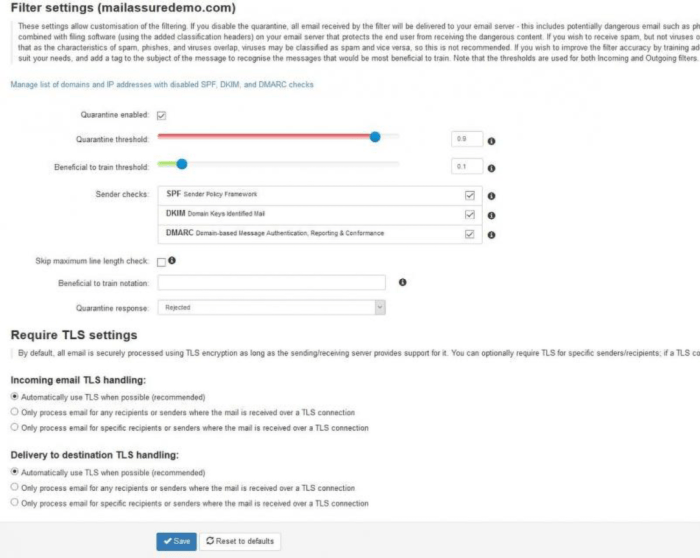
Adjust your domain’s DNS settings to point to the new spam filter. This usually involves updating MX records and may include adding SPF, DKIM, and DMARC records to enhance email authentication.
4. Set Up User Accounts
Create user accounts for your business’s email users within the spam filtering platform. This allows for personalized settings and access.
5. Customize Filter Settings
Configure the spam filter settings based on your business requirements. Set thresholds for spam detection and customize blacklists and whitelists.
6. Test the Configuration
Send test emails to verify the effectiveness of the spam filter. Ensure legitimate emails are delivered successfully while spam is correctly identified.
7. Monitor and Adjust
After going live, keep an eye on the system performance and adjust settings as necessary based on feedback from users.
Monitoring and Analyzing Performance
Regular monitoring of cloud-based spam filters is vital for maintaining email security. Here’s how to effectively analyze performance and set up alerts:
Access Reporting Tools
Most cloud spam filters come equipped with dashboards that provide insights into spam detection rates, false positives, and user interactions.
Set Performance Metrics
Establish key performance indicators (KPIs) such as spam detection rate, user satisfaction, and response times to assess the effectiveness of the solution.
Configure Alerts
Set up alerts for suspicious activities, including spikes in spam emails or unusual user behavior. This proactive approach helps in addressing threats before they escalate.
Regular Review Meetings
Hold periodic meetings to review performance reports and gather feedback from staff. Use this information to make informed decisions about any necessary adjustments or changes in the filtering strategy.
Continuous Improvement
Stay updated with the latest threats and advancements in spam filtering technology. Regularly update filter settings to adapt to new spam trends and enhance security measures.Incorporating these strategies and procedures into your cloud-based spam filtering system will bolster your email security and ensure a safe communication environment for your business.
Closure
In conclusion, adopting cloud-based spam filtering solutions is not just a smart move; it’s essential for safeguarding communication in today’s digital landscape. As cyber threats continue to evolve, these advanced tools will ensure that your inbox remains clean and your business stays operational. Investing in such solutions is a proactive step toward maintaining security and efficiency in email management.
FAQ Compilation
What are cloud-based spam filtering solutions?
They are services that use cloud technology to identify and block spam emails before they reach your inbox.
How do these solutions differ from traditional spam filters?
They leverage real-time data and machine learning, offering more adaptive and effective spam detection compared to traditional methods.
Can cloud-based spam filters integrate with existing email systems?
Yes, they can be easily integrated with popular email services to enhance security without disrupting current workflows.
How often should I monitor the performance of spam filters?
It’s recommended to review their performance regularly, ideally monthly, to ensure optimal protection and adjust settings as needed.
Are there any costs associated with cloud-based spam filtering solutions?
Yes, most cloud-based spam filtering services come with subscription fees, but they often provide various plans to accommodate different budgets.