User engagement strategies for social apps are essential for creating vibrant communities and fostering user loyalty. In today’s digital landscape, where competition is fierce, understanding how to effectively engage your audience can make all the difference between a thriving application and one that fades into obscurity.
From interactive features to integrating social media, there are various strategies that can elevate user experiences and strengthen connections. By examining successful examples and innovative approaches, we can uncover the key elements that contribute to effective user engagement in social applications.
User Engagement Strategies Overview

User engagement plays a pivotal role in the success of social apps as it directly correlates to user retention, satisfaction, and overall growth. High levels of engagement not only enhance user experience but also foster a sense of community and belonging, which is essential for social platforms. Given the competitive landscape, understanding and implementing effective user engagement strategies is crucial for any social application aiming to thrive.Various types of user engagement strategies can be implemented to keep users active and interested in the app.
These strategies can range from incentivizing user participation to creating personalized experiences that resonate with users on a deeper level. By utilizing these tactics, social apps can create an environment that encourages continuous interaction and user loyalty.
Types of User Engagement Strategies
A well-rounded approach to user engagement involves multiple strategies that target different aspects of user interaction. Below are some effective strategies commonly used in successful applications:
- Gamification: Incorporating game-like elements such as points, badges, and leaderboards can significantly boost user motivation. Apps like Duolingo effectively use gamification to encourage language learning through challenges and rewards.
- Personalization: Tailoring content and recommendations based on user preferences enhances user experience. Netflix excels in this area by providing personalized viewing suggestions that keep users returning for more.
- Community Building: Creating forums or groups within the app fosters user interaction and makes users feel part of a larger community. Facebook’s groups feature enables users to connect over shared interests, increasing engagement.
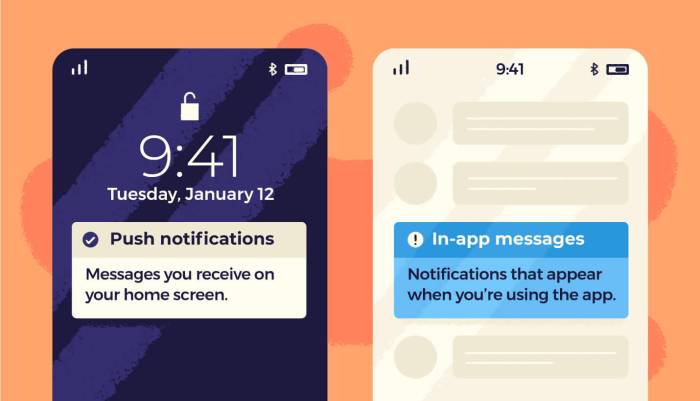
- Push Notifications: Strategically timed notifications can remind users of new content or encourage participation in ongoing activities. Twitter uses push notifications to alert users about trending topics, driving engagement.
- Feedback Mechanisms: Actively seeking user feedback through surveys or polls can help improve the app and make users feel valued. Instagram often solicits user feedback on new features before rolling them out, showing that they value user input.
“User engagement is not just about keeping users busy; it’s about creating meaningful experiences that resonate and fulfill their needs.”
The implementation of such strategies has proven successful for various social applications. By focusing on user engagement, these apps not only retain users but also enhance their overall experience, leading to higher satisfaction and loyalty rates. Social apps that adopt a multifaceted approach to engagement are likely to see a significant impact on their growth and user retention metrics.
Leveraging Social Media for Engagement
Social media platforms are vital tools for enhancing user engagement in social apps. By tapping into the vast user base and diverse features of these platforms, app developers can create more meaningful interactions and foster community. The right strategies can help transform casual users into enthusiastic advocates, amplifying the app’s reach and impact.Utilizing social media effectively involves understanding the unique characteristics of each platform and aligning them with user engagement goals.
With careful planning and execution, brands can create a vibrant ecosystem that encourages users to participate actively, share their experiences, and contribute to community growth.
Promoting User-Generated Content
User-generated content (UGC) serves as a powerful engagement tool, driving authenticity and trust among users. Promoting UGC through social networks can significantly enhance user interaction and foster a sense of community. Here are some best practices for leveraging UGC:
Create Shareable Content
Design content that resonates with users and encourages them to share their experiences. This could include challenges, contests, or themed hashtags that invite users to contribute their own content.
Highlight User Contributions
Regularly feature user-generated content on official social media channels. This not only recognizes users’ efforts but also motivates others to participate.
Incentivize Participation
Offer incentives for users who share their content, such as discounts, recognition, or exclusive access to new features. This encourages users to actively engage and share their creations.
“User-generated content fosters community and enhances brand loyalty.”
Integrating Social Bookmarking for User Interaction
Social bookmarking is another effective method to improve user interaction within social apps. By allowing users to save, share, and discover content, social bookmarking facilitates engagement and provides a sense of ownership. Here are several ways to integrate social bookmarking into your app:
In-App Bookmarking Features
Incorporate tools allowing users to bookmark content directly within the app. This makes it easier for them to revisit favorite posts, articles, or resources, increasing the likelihood of return visits.
Share Bookmarked Content
Enable users to share their bookmarked content on various social media platforms. This expands the app’s reach and encourages new users to explore.
Curate Collections
Allow users to create and share collections of their bookmarks. This not only enhances user interaction but also positions the app as a valuable resource for discovering curated content.By effectively leveraging social media and integrating user-generated content and social bookmarking, social apps can significantly enhance user engagement, creating vibrant and interactive communities.
Measuring and Analyzing User Engagement
Understanding user engagement is crucial for the success of social apps. By effectively measuring and analyzing engagement metrics, developers can tailor their strategies to enhance user interaction and satisfaction. This section delves into various techniques for measuring user engagement, a guide for analyzing user feedback, and the influence of video marketing and streaming on user interaction.
Techniques to Measure User Engagement
Measuring user engagement involves assessing several key performance indicators (KPIs) that reflect how users interact with the app. These metrics provide insights into user behavior and preferences, enabling developers to make informed decisions.
- Daily Active Users (DAU) and Monthly Active Users (MAU): These metrics track the number of unique users who engage with the app daily and monthly, illustrating overall app usage trends.
- Session Length and Frequency: Analyzing how long users spend in the app during each session and how often they return helps identify engagement levels.
- User Retention Rate: This metric measures the percentage of users who continue to use the app over specific time periods, indicating the app’s ability to retain its audience.
- Interaction Metrics: Metrics such as likes, comments, shares, and direct messages provide direct insights into user engagement with the content within the app.
Guide to Analyze User Feedback and Its Impact on Engagement Strategies
User feedback serves as a vital resource for understanding user needs and preferences. Analyzing this feedback allows developers to refine their engagement strategies effectively.The first step involves collecting feedback through various channels, such as in-app surveys, social media interactions, and app store reviews. Once collected, the next phase is to categorize and analyze this feedback to identify common trends and sentiments.
- Quantitative Analysis: Use statistical methods to analyze numerical data from surveys, such as satisfaction ratings and feature requests, to derive actionable insights.
- Qualitative Analysis: Conduct thematic analysis on open-ended feedback to uncover user sentiments, desires, and pain points, helping to guide feature improvements.
- Prioritization of Feedback: Assess the impact of feedback on user engagement to prioritize changes that will yield the most significant improvements in user satisfaction and interaction.
Effective analysis of user feedback can directly influence engagement strategies, leading to increased user retention and satisfaction.
Role of Video Marketing and Streaming in Boosting User Interaction
Incorporating video marketing and streaming has emerged as a powerful strategy to enhance user engagement in social apps. Videos can capture attention more effectively than static content, leading to higher interaction rates.Analyzing engagement data from video content provides insights into user preferences and behavior. Metrics such as view counts, watch time, and interaction rates help gauge the effectiveness of video marketing efforts.
- Live Streaming: Real-time interactions during live streams foster a sense of community and immediacy, encouraging users to engage more actively.
- Video Sharing: Allowing users to share video content boosts virality and can lead to increased user acquisition through shared experiences.
- Analytics Tools: Utilize video analytics tools to track user engagement with video content. Data on drop-off rates and popular segments can inform future video strategies.
Video content not only captivates users but also provides valuable analytics that can shape engagement strategies and enhance user interaction.
Final Thoughts
In summary, implementing effective user engagement strategies is crucial for the success of social apps. By leveraging social media, measuring user interactions, and continuously refining approaches based on feedback, developers can build lasting relationships with their users. With the right strategies in place, apps can not only retain users but also transform them into passionate advocates.
Clarifying Questions
Why is user engagement important for social apps?
User engagement is vital as it enhances user satisfaction, increases retention, and fosters a community, ultimately driving the app’s success.
What are some popular user engagement strategies?
Common strategies include personalized notifications, interactive content, user-generated content, and gamification elements.
How can I measure user engagement?
User engagement can be measured through metrics like daily active users, session duration, and user feedback or surveys.
What role does social media play in user engagement?
Social media enhances engagement by allowing users to share content, interact with each other, and promote user-generated content.
How can video marketing improve user engagement?
Video marketing can boost engagement by providing visually appealing content that attracts attention and encourages interaction.