Video marketing funnel strategy is an essential approach that guides potential customers through their buying journey using engaging video content.
From creating awareness to converting leads, understanding the different stages of the video marketing funnel allows marketers to tailor their content effectively. This strategy not only enhances viewer engagement but also fosters stronger connections with the audience, driving them closer to making informed purchasing decisions.
Understanding the Video Marketing Funnel Strategy
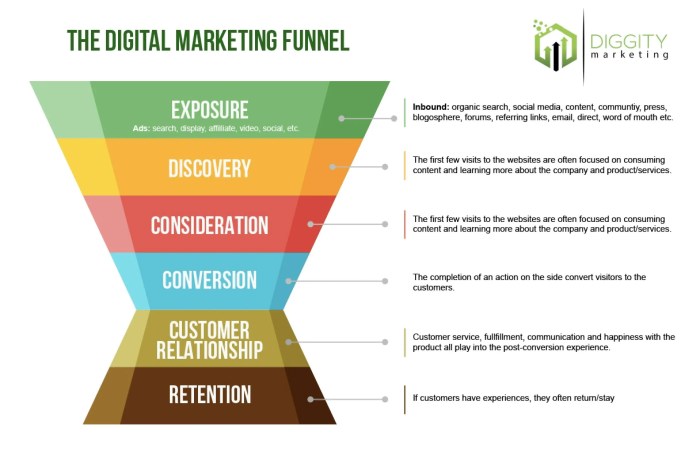
In the contemporary landscape of digital marketing, effectively guiding a customer from awareness to conversion requires a well-structured approach. The video marketing funnel strategy serves as a powerful tool to engage potential customers at various stages of their journey. By leveraging video content, brands can create meaningful connections that resonate with their audience, driving higher engagement and conversion rates.The video marketing funnel is typically divided into three key stages: Awareness, Consideration, and Conversion.
Each stage holds its own significance and requires tailored video content to effectively move potential customers to the next step. Understanding how to strategically use video at each phase is crucial for maximizing the effectiveness of your marketing efforts.
Stages of the Video Marketing Funnel
The video marketing funnel is essential for outlining the customer journey. Each stage plays a vital role in shaping customer perception and decision-making. Here’s a breakdown of the stages:
- Awareness: This is the initial stage, where potential customers first encounter your brand. The goal is to capture attention and generate interest. Engaging content such as brand story videos, informative explainer videos, or entertaining short clips can create an immediate connection.
- Consideration: At this point, customers are evaluating their options. They seek deeper insights into your offerings. Videos that address common pain points, showcase product features, or include customer testimonials can help build trust and credibility during this phase.
- Conversion: In the final stage, the focus shifts to driving action. Videos that feature strong calls-to-action (CTAs), promotional offers, or how-to content that guides users through the purchase process can aid in sealing the deal.
Creating Engaging Video Content for Each Stage
Crafting compelling video content requires a tailored approach for each stage of the funnel. Each type of video serves its purpose in advancing customer engagement.
- Awareness Stage: Utilize vibrant visuals, storytelling techniques, and emotional triggers to create memorable and shareable content. For example, a brand story video that highlights your mission can resonate deeply with your audience.
- Consideration Stage: Informative content is key here. Consider producing webinars, product demonstrations, or FAQs in video format. These types of videos can address potential customer inquiries and provide valuable information to guide their decision-making process.
- Conversion Stage: Focus on strong CTAs and persuasive content. Videos that showcase limited-time offers or customer success stories can effectively prompt viewers to take action. Including clear instructions on how to purchase or engage can significantly boost conversion rates.
Best Practices for Guiding Customers Through the Funnel
To ensure potential customers smoothly transition through the video marketing funnel, it is essential to implement best practices that enhance their experience. Here are some effective strategies:
- Targeted Video Distribution: Utilize data analytics to understand your audience better and distribute content through the channels they frequent. This ensures that your videos reach the right people at the right time.
- Consistency in Messaging: Maintain a cohesive message across all video content. This builds brand identity and fosters trust with your audience, making them more likely to engage with your brand consistently.
- Monitor Engagement Metrics: Keep track of metrics such as view duration, click-through rates, and engagement levels. This data can provide insights into which videos resonate most with your audience, allowing you to optimize future content.
“Engaging video content is the bridge that connects potential customers with your brand, guiding them seamlessly from awareness to action.”
Integration with Other Digital Marketing Strategies

Video marketing is increasingly becoming an essential component of a well-rounded digital marketing strategy. By integrating video content with other marketing efforts, businesses can enhance engagement, drive traffic, and improve overall conversion rates. This synergy not only amplifies the reach of campaigns but also creates a more cohesive brand experience for consumers across various platforms.
Complementing Search Engine Marketing Efforts
Video marketing complements search engine marketing (SEM) by improving click-through rates and increasing the time users spend on a website. High-quality videos can be featured in search results, making them more appealing to potential customers. Here are key points illustrating how video marketing enhances SEM:
- Increased Visibility: Videos appear in both organic and paid search results, allowing brands to occupy more space on search engine results pages (SERPs).
- Improved Engagement Metrics: When users engage with video content, metrics such as time on site and bounce rates improve, positively influencing rankings.
- Enhanced Ad Performance: Video ads tend to have higher engagement rates compared to static ads, resulting in better performance in paid campaigns.
Key Social Media Platforms for Video Marketing
Social media platforms play a crucial role in maximizing the effectiveness of video marketing strategies. Each platform has unique features that cater to different audience preferences. The following are significant platforms that enhance video marketing:
- Facebook: With its vast user base, Facebook supports video content through live streams, short clips, and promotional ads, fostering community interaction.
- Instagram: Instagram’s Stories and Reels features allow brands to create engaging, ephemeral content that captures immediate attention.
- YouTube: As the largest video-sharing platform, YouTube serves as a search engine for video content, making it essential for brands to have a dedicated presence here.
- TikTok: This platform has gained immense popularity for short, creative videos, appealing to younger demographics and fostering viral trends.
Relationship Between Video Marketing and
The relationship between video marketing and search engine optimization () is pivotal for increasing organic traffic. Videos can enhance efforts by providing valuable content that appeals to both users and search engines. Here are essential optimization tips to leverage video for :
- Use s: Incorporate relevant s in the video title, description, and tags to improve discoverability.
- Transcripts: Adding transcripts to video content provides additional text for search engines to index, enhancing relevance.
- Thumbnail Optimization: Create eye-catching thumbnails that encourage clicks and increase viewer retention rates.
- Embed Videos: Embedding videos on web pages can enhance the overall content quality, leading to better user engagement metrics.
“Video content can increase organic traffic by 157%, emphasizing the importance of integrating video marketing with strategies.”
Tools and Techniques for Effective Video Marketing
Video marketing has become an essential component of modern marketing strategies, requiring not only creativity but also the right tools to produce high-quality content. With various platforms available, businesses can create engaging videos to connect with their audience effectively. This section will explore the essential tools for video creation, editing, distribution, and practical workflows integrating video marketing into web projects.
Tools for Video Creation, Editing, and Distribution
Selecting the right tools for video marketing can significantly impact the quality and reach of your content. Below is a list of effective tools that can assist in creating, editing, and distributing videos:
- Creation:
- Canva: A user-friendly design platform that allows users to create video content with customizable templates.
- Animoto: A cloud-based video creation service that enables users to produce videos quickly using photos, video clips, and music.
- Adobe Spark: A versatile tool that combines graphic design and video creation, suitable for creating promotional videos and social media content.
- Editing:
- Adobe Premiere Pro: A professional video editing software offering advanced features for cinematic video production.
- Final Cut Pro: A powerful editing tool for Mac users, designed for professional video editing with extensive capabilities.
- iMovie: An accessible video editing software for beginners that provides basic editing tools and templates.
- Distribution:
- YouTube: The largest video sharing platform, ideal for reaching a broad audience and enhancing brand visibility.
- Vimeo: A platform favored by professionals for high-quality video hosting and distribution with a tailored audience.
- Wistia: A video hosting platform specifically designed for businesses that offers detailed analytics and custom branding options.
Workflow for Integrating Video Marketing into Web Design and Development Projects
Integrating video marketing into web design projects requires a thoughtful approach to ensure the content enhances user experience and aligns with marketing goals. The following workflow offers a structured method to achieve this:
1. Define Objectives
Establish the goals of incorporating video content, such as increasing engagement or driving conversions.
2. Content Creation
Develop video scripts and storyboards that align with website content and branding.
3. Video Production
Utilize the selected tools to create high-quality videos, ensuring they are optimized for web use in terms of file size and format.
4. Optimization
Optimize video titles, descriptions, and tags for search engines to enhance discoverability.
5. Embedding Videos
Integrate video content into relevant sections of the website, ensuring they are responsive and compatible across devices.
6. Promotion
Utilize social media and email marketing to promote the video content, driving traffic back to the website.
7. Analytics Monitoring
Utilize tools such as Google Analytics to track video performance and user engagement to inform future strategies.
Examples of Successful Video Marketing Campaigns
Several companies have successfully leveraged video marketing to enhance their brand presence and engage customers. Analyzing these campaigns can provide insights into effective strategies.
- Dollar Shave Club: Their launch video went viral due to its humor and direct approach, showcasing the brand’s personality. The simple yet effective storytelling led to rapid subscriber growth.
- GoPro: The action camera company has effectively utilized user-generated content, encouraging customers to share their experiences, creating a community around their brand. This strategy has significantly boosted engagement and brand loyalty.
- Coca-Cola: The “Share a Coke” campaign featured personalized video content that resonated emotionally with viewers. By integrating consumer participation, Coca-Cola enhanced brand affinity and social media engagement.
“Video marketing can increase engagement levels by 80% on social media platforms.”
These examples illustrate successful strategies that leverage humor, user-generated content, and emotional connection, highlighting the importance of aligning video marketing efforts with brand messaging and audience expectations.
Last Word
In conclusion, mastering the video marketing funnel strategy can significantly boost your marketing efforts and improve customer conversion rates. By effectively utilizing each stage of the funnel, integrating with other marketing strategies, and employing the right tools, businesses can create compelling narratives that resonate with their audience, ultimately leading to greater success in reaching their goals.
FAQ Section
What is a video marketing funnel?
A video marketing funnel is a strategic approach that uses video content to guide potential customers through various stages of their buying journey from awareness to purchase.
How can video improve ?
Video can improve by increasing user engagement, decreasing bounce rates, and providing valuable content that encourages backlinks and shares.
What types of videos should I create for each funnel stage?
At the awareness stage, consider educational videos; for consideration, use product demos; and for the decision stage, customer testimonials can be highly effective.
How do I measure the success of my video marketing funnel?
Success can be measured through metrics like viewer engagement rates, click-through rates, conversion rates, and overall ROI from the video campaigns.
What platforms are best for video distribution?
Platforms like YouTube, Facebook, Instagram, and TikTok are excellent for distributing video content and reaching diverse audiences effectively.